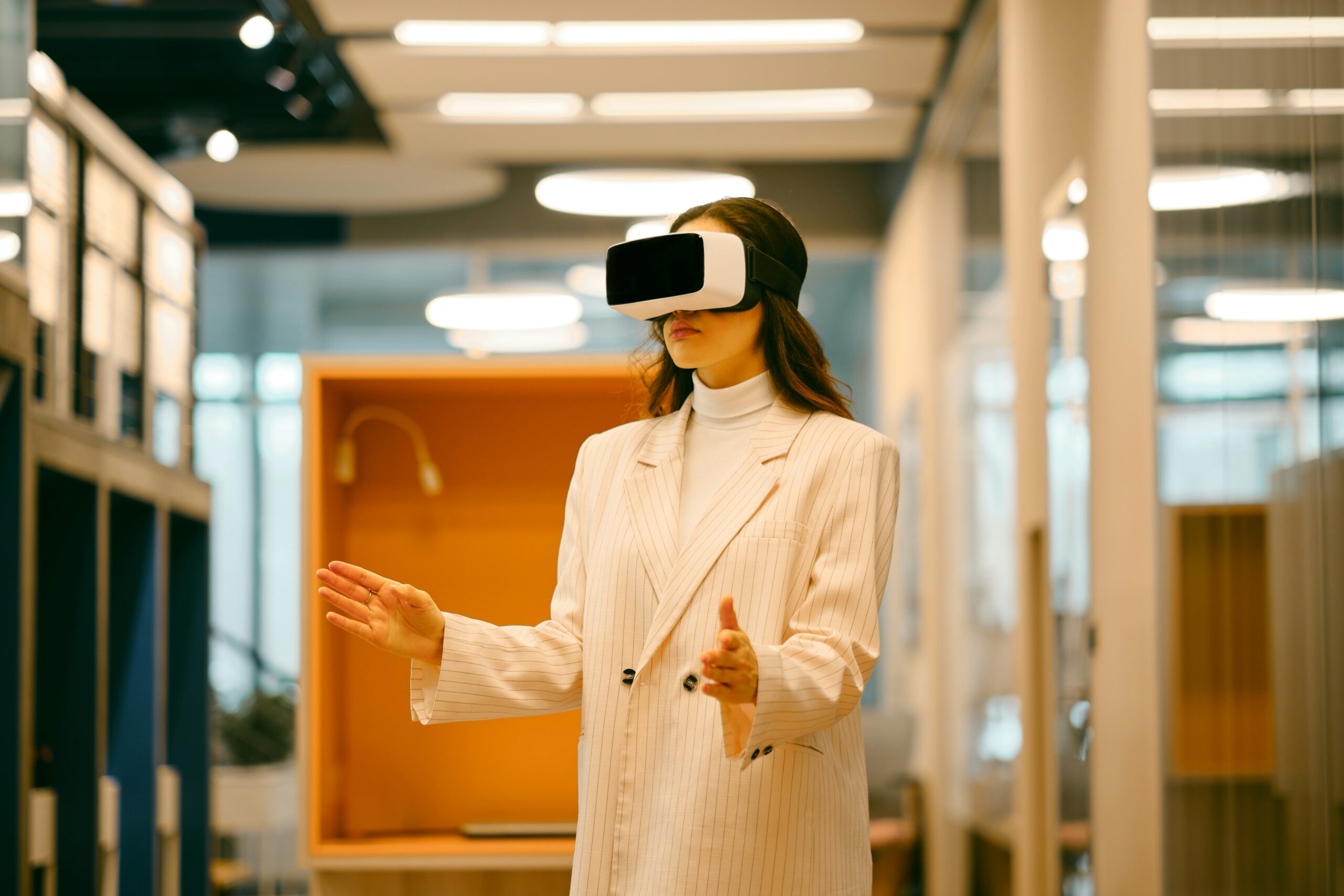
Creating immersive brand experiences with AR and VR has changed the way brands connect with people. Today, customers want more than ads. They want moments that feel real and personal. Therefore, companies use augmented reality and virtual reality to build strong emotional ties. As a result, brands stand out in crowded markets.
Immersive brand experiences with AR and VR let users step into a story. Instead of watching a message, they live it. Because of this shift, businesses now rethink how they design campaigns. They focus on interaction, emotion, and memory.
Why Immersive Brand Experiences with AR and VR Matter
Consumers face constant noise. Every day, they scroll past endless content. However, immersive brand experiences with AR and VR cut through that noise. They invite users to act, explore, and respond.
When people interact with a brand in a virtual space, they form stronger memories. Moreover, they spend more time with the content. This deeper engagement builds trust. As trust grows, loyalty often follows.
In addition, immersive technology creates a sense of presence. Users feel like they stand inside the brand world. Because of this, the experience feels personal. A personal moment often drives buying decisions more than a simple banner ad.
Understanding Augmented Reality in Branding
Augmented reality adds digital elements to the real world. For example, a shopper can point a phone at a product and see extra details appear on the screen. As a result, the shopping process becomes interactive and fun.
Brands use augmented reality to let customers try products before they buy. A beauty brand can show how makeup looks on a face. A furniture brand can place a couch inside a living room through a phone camera. Therefore, buyers feel more confident in their choices.
Confidence reduces hesitation. When people feel sure, they complete purchases faster. Thus, immersive brand experiences with AR and VR support both engagement and sales.
Exploring Virtual Reality for Deeper Engagement
Virtual reality goes even further. It places users inside a fully digital world. With a headset, someone can walk through a virtual store or attend a branded event. Consequently, distance no longer limits experience.
Virtual reality creates a powerful emotional impact. For instance, a travel company can transport users to a beach or a mountain. Although the user stays at home, the brain reacts as if the place feels real. As a result, the brand message becomes more vivid.
Furthermore, immersive brand experiences in virtual spaces, enabled by AR and VR, allow brands to guide attention. They control sound, visuals, and movement. This control helps shape the story in a focused way.
How Immersive Brand Experiences with AR and VR Build Loyalty
Loyalty grows from connection. Traditional ads talk to consumers. In contrast, immersive brand experiences with AR and VR invite them into a shared space.
When users interact with a brand in a meaningful way, they feel valued. For example, a sports brand can create a virtual training session with a star athlete. As fans join the session, they feel close to the brand story. That closeness often turns into long-term loyalty.
Moreover, immersive experiences encourage sharing. People enjoy posting unique moments on social media. Therefore, one experience can reach many new viewers. This organic reach strengthens brand awareness without heavy ad spending.
Designing Effective Immersive Brand Experiences with AR and VR
Strong design starts with a clear goal. Before launching immersive brand experiences with AR and VR, brands must ask what they want to achieve. Do they want awareness, education, or sales? A focused goal shapes every detail.
Next, brands need a simple user journey. Although the technology feels advanced, the experience should feel easy. If users struggle, they leave. Therefore, smooth navigation and clear instructions matter.
Storytelling also plays a key role. Technology alone does not create magic. Instead, a strong narrative makes the experience memorable. For example, a fashion brand can guide users through the story of how a collection was made. As users explore each stage, they connect with the craft behind the product.
Finally, brands should test and refine. Feedback shows what works and what needs change. Because immersive brand experiences with AR and VR evolve quickly, brands must adapt quickly.
Industry Examples and Real World Impact
Many industries now embrace immersive brand experiences with AR and VR. Retail brands use augmented reality for virtual try-on tools. Automotive brands offer virtual test drives. Entertainment companies create interactive trailers.
In retail, virtual fitting rooms reduce returns. Customers see how clothes fit before buying. As a result, satisfaction rises. At the same time, costs linked to returns drop.
In the automotive field, virtual showrooms allow customers to explore car features from home. They can open doors, change colors, and view interiors. Consequently, buyers arrive at dealerships with clear preferences.
Education and healthcare also benefit. Although these sectors focus on service, they still build brands. Immersive brand experiences with AR and VR help them show complex ideas in simple ways. Therefore, trust grows in fields where clarity matters most.
The Role of Data and Personalization
Data strengthens immersive campaigns. When brands understand user behavior, they can tailor each experience. For example, a returning user might see content based on past choices. This personal touch feels thoughtful.
However, brands must handle data with care. Clear privacy policies build trust. When users feel safe, they engage more deeply. Therefore, transparency supports the success of immersive brand experiences with AR and VR.
Personalization also improves relevance. Instead of a generic message, users receive content that fits their interests. As a result, engagement rates rise.
Overcoming Challenges in Immersive Marketing
Despite the promise, immersive brand experiences with AR and VR present challenges. Technology costs can feel high at first. Yet, prices continue to drop as adoption grows.
Another challenge involves access. Not every consumer owns a virtual headset. However, many people use smartphones that support augmented reality. Therefore, brands often start with mobile-based solutions.
Content quality also matters. Poor graphics or slow performance can break immersion. For this reason, brands must invest in strong development teams. A smooth experience keeps users engaged from start to finish.
Future Trends in Immersive Brand Experiences with AR and VR
The future looks bright for immersive brand experiences with AR and VR. As hardware improves, experiences will feel even more realistic. Lighter headsets and faster networks will reduce friction.
In addition, social virtual spaces continue to grow. Users meet, play, and shop together in shared digital worlds. Therefore, brands will create group-based experiences rather than solo journeys.
Artificial intelligence will also enhance personalization. Experiences will adapt in real time based on user actions. Consequently, each session may feel unique.
Moreover, immersive commerce will expand. Customers will browse virtual stores, talk with digital assistants, and complete purchases without leaving the experience. This seamless path from discovery to checkout will reshape online shopping.
Practical Steps to Get Started
Brands that want to build immersive brand experiences with AR and VR should begin small. A focused pilot project helps teams learn without high risk. For example, a simple augmented reality filter can test audience response.
Next, brands should partner with skilled creators. Collaboration ensures both technical strength and creative vision. Because immersive projects combine art and code, teamwork drives success.
Finally, measure results carefully. Track engagement time, shares, and conversion rates. These insights reveal the true impact of immersive brand experiences enabled by AR and VR.